

CarmelPrays:
Available 24/7
The Carmelites of the Province of the Most Pure Heart of Mary created this website and have provided users with audio, video, and text to pray Night Prayer (“Compline”) every night since November 2020. We continue to produce audio and visual texts for "the Sant'Angelo-Style" Morning and Evening Prayer for each day of the year and music for meditation use. We are also planning to develop a mobile app for our users.
This work is not yet completed due to audio and video production costs. If you are interested in supporting this effort with a financial contribution, please click here.
We hope our offerings will provide users with the tools for a deeper, richer prayer life.
Read below to learn more about the “Sant’Angelo-Style” of prayer.
The Roots of CarmelPrays
On December 4, 1963, St. Paul VI (Pope) promulgated the Constitution on the Sacred Liturgy [Sacrosanctum Concilium]. In so doing, he provided a rationale for reforming and promoting the liturgy, “whereby the faithful may express in their lives, and manifest to others, the mystery of Christ and the real nature of the true Church” (SC, 2). In addition to highlighting the sacramental nature of all liturgical worship, this foundational reforming document reminds us of the essential purpose of sacraments: “to sanctify [humanity], to build up the body of Christ, and finally, to give worship to God” (59).
In the liturgy, as opus Dei, Christ continues his priestly work through the Church, which “is ceaselessly engaged in praising the Lord and interceding for the salvation of the whole world. She does this by celebrating the eucharist and in other ways, especially by praying the divine office” (83). Our full, active, and conscious participation in this unique liturgy not only praises God but also sanctifies the whole progression of the day. When we pray the divine office, we offer praises to God as we stand “before God's throne in the name of the Church” (85).
Pope Benedict XVI and Pope Francis, each on different occasions, reminded and challenged the Carmelites: “Carmel teaches the Church how to pray.” Historically, the Order has never generated a specific “method”. It has consistently stressed the necessary time and energy put into prayer or personal prayer. According to Jack Welch, O. Carm., personal prayer, specifically contemplative prayer, “is not a lifestyle, but an attempt to listen to God always.” On Wednesday, October 7, 2020, while preaching to the faithful in St. Paul’s Hall, Pope Francis highlighted prayer as a quintessential quality of Elijah the prophet that gave him the ability to discern God’s will and denounce injustice.
According to the Carmelite Rule, “Those who have learned to say the canonical hours with the clerics should do so according to the practice of the holy Fathers and approved custom of the Church” (The Rule of Albert, 11). As the Rule makes clear, each Carmelite must pray daily the official “Prayer of the Church.” But what does liturgical prayer (the divine office) have to do with personal prayer (contemplation)? Perhaps the answer lies in Sacrosanctum Concilium: “…the public prayer of the Church…is a source of piety…and nourishment for personal prayer” (90). The liturgical prayer of the Church provides one with the sacred texts (psalms, canticles, stories, letters), the ever-ancient/ever-anew dialogue between God and God’s people that can, in turn, nourish and strengthen the Carmelite’s “experience of God.”
“The Sant’Angelo-Style”: In 2008, the Province of the Most Pure Heart of Mary (PCM) approved and founded a community in the Hyde Park neighborhood of Chicago. The community was named after Sant’Angelo of Jerusalem, a 13th-century Carmelite saint who left Mount Carmel to begin a more active, mendicant life in Sicily. According to lore, he was also charged to obtain from Pope Honorius III confirmation of the new rule (http://www.santiebeati.it/dettaglio/51875)
This newly formed community of the Ancient Observance committed itself to living within the tension of community-prayer-ministry. The community prayed Morning Prayer, Evening Prayer, Night Prayer, and silent Prayer in common. Because of its commitment to be as “inclusive” as possible with regards to prayer language, the community used a translation of the psalms by Roland Murphy, O. Carm. Moreover, the structure of Morning and Evening Prayer followed the “cathedral office,” with its distinguishing feature of a consistent opening psalm (psalm 95 and Psalm 141, for morning and evening, respectively). Pursuant to Sacrosanctum Concilium, most of the office was sung (SC, 99).
The Carmelites
-
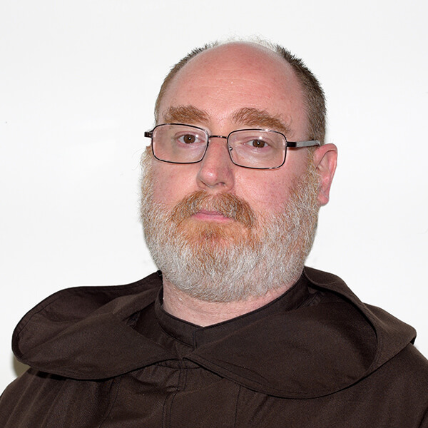
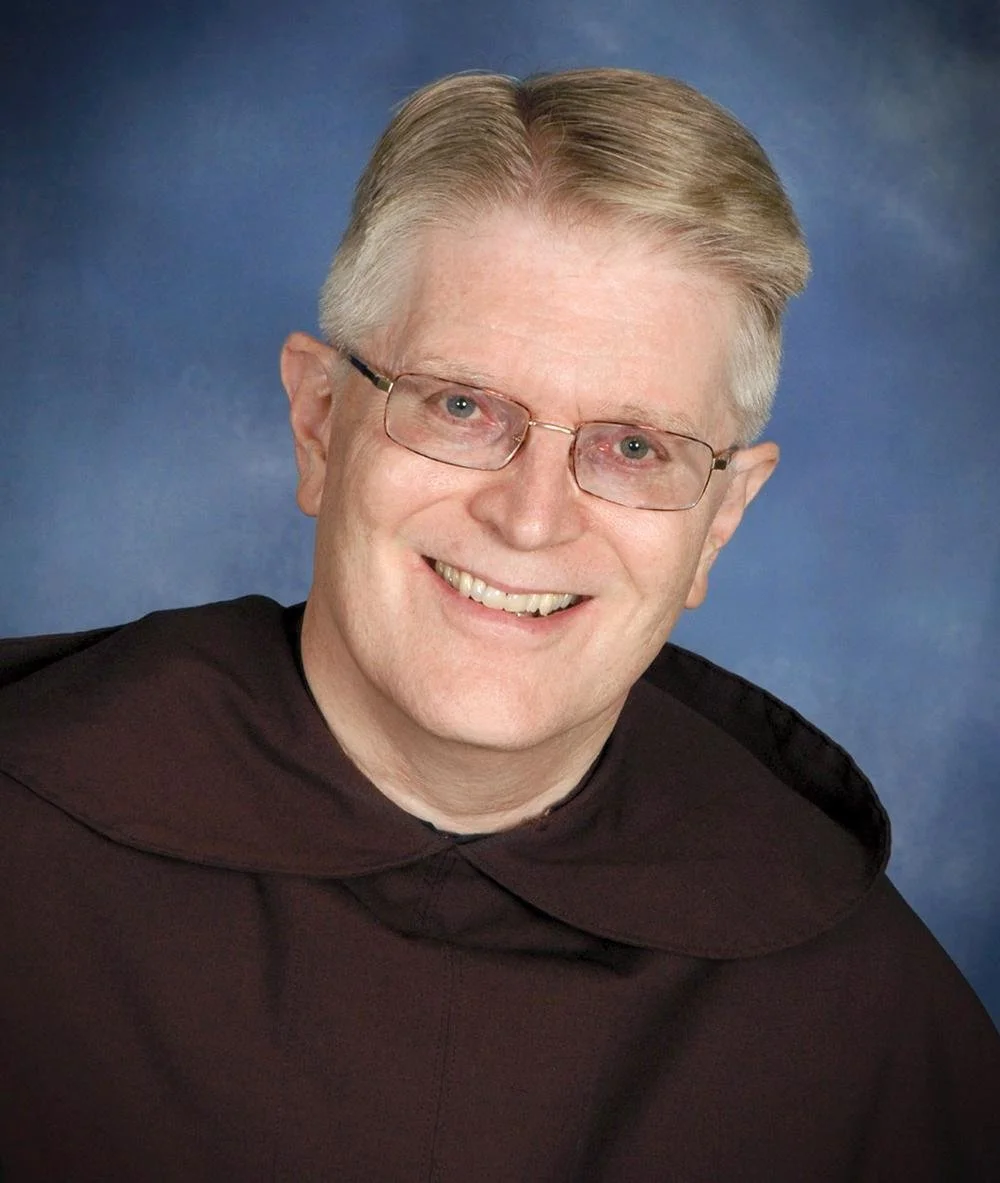
![Fr. Carl Markelz, O.Carm.]()
Carl Markelz, O.Carm.
PRESIDER AND VOCALIST
-
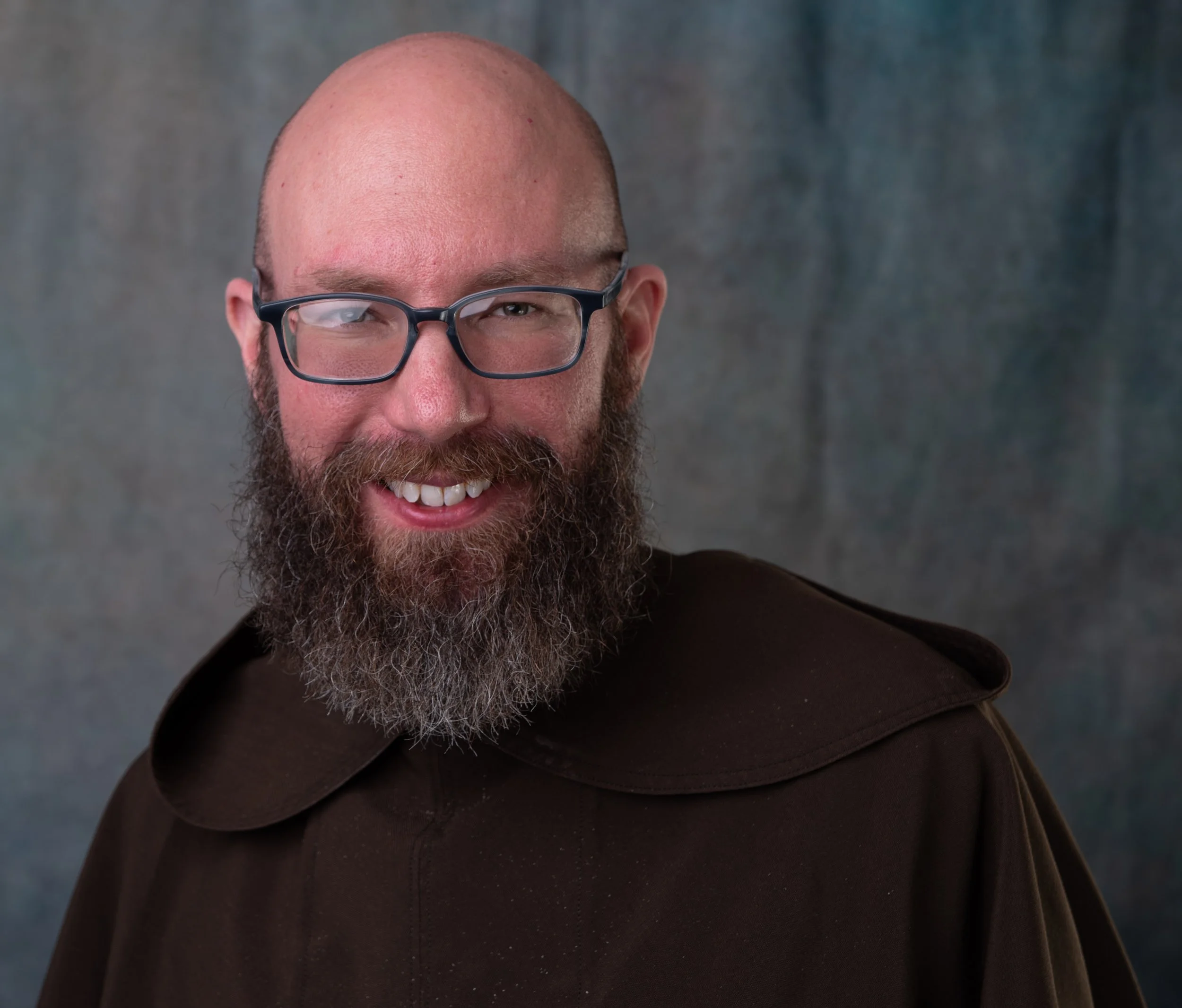
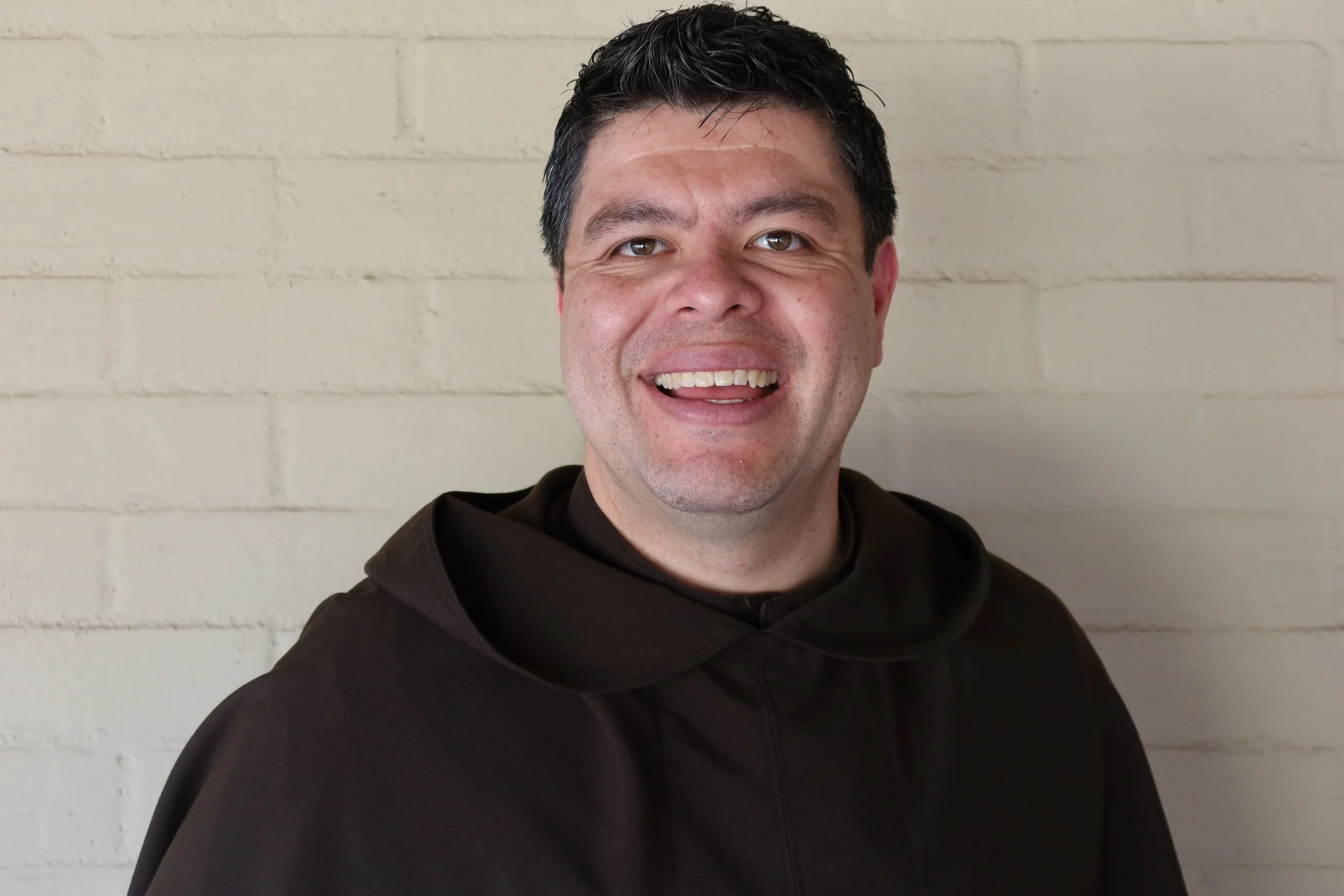
![Fr. Benjamín Aguilar, O.Carm.]()
Benjamín Aguilar, O.Carm.
PRESIDER, MUSICIAN & VOCALIST
-
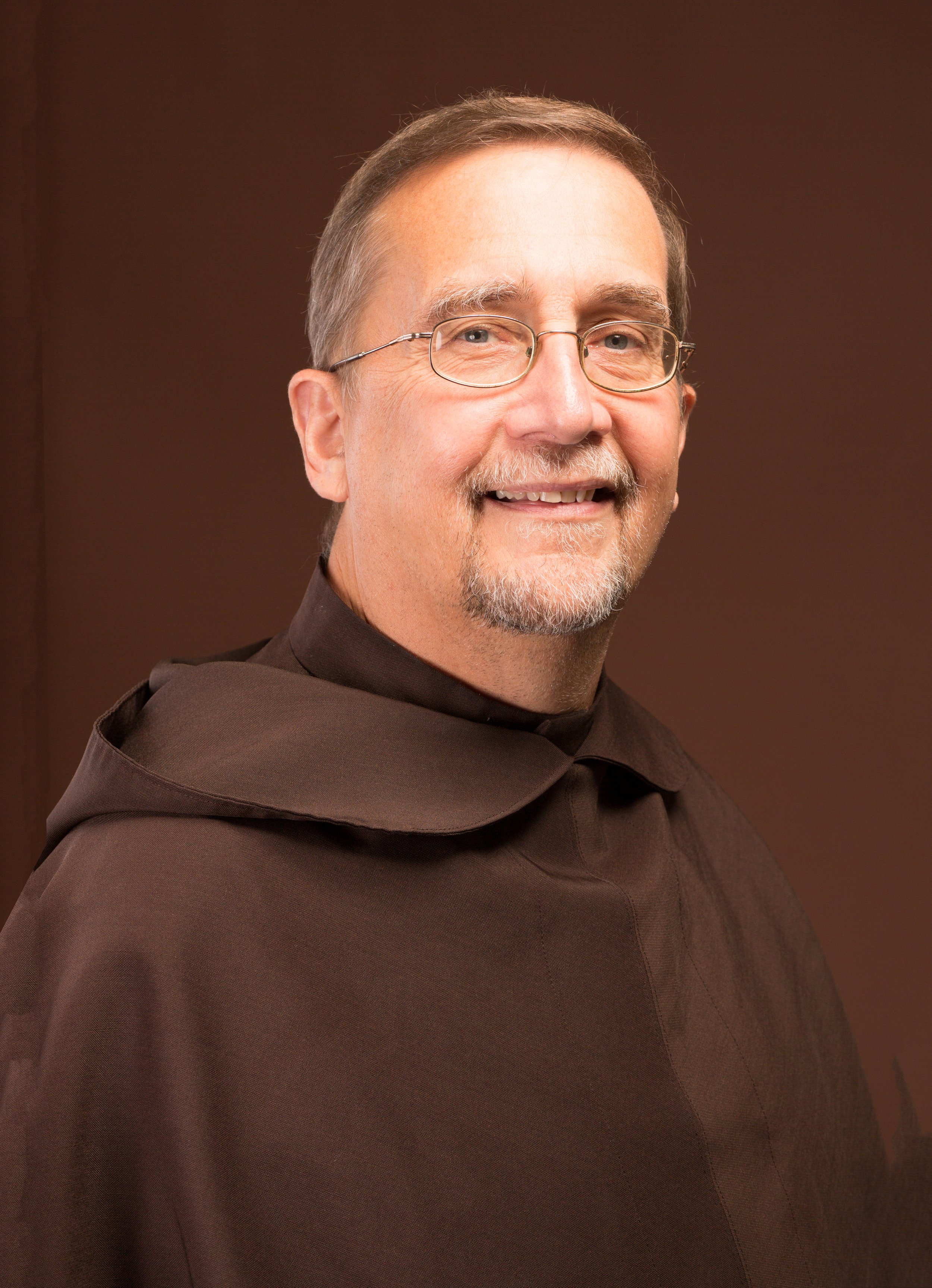
![Fr. Marc Bell, O. Carm.]()
Marc Bell, O.Carm.
LECTOR & NARRATOR
-
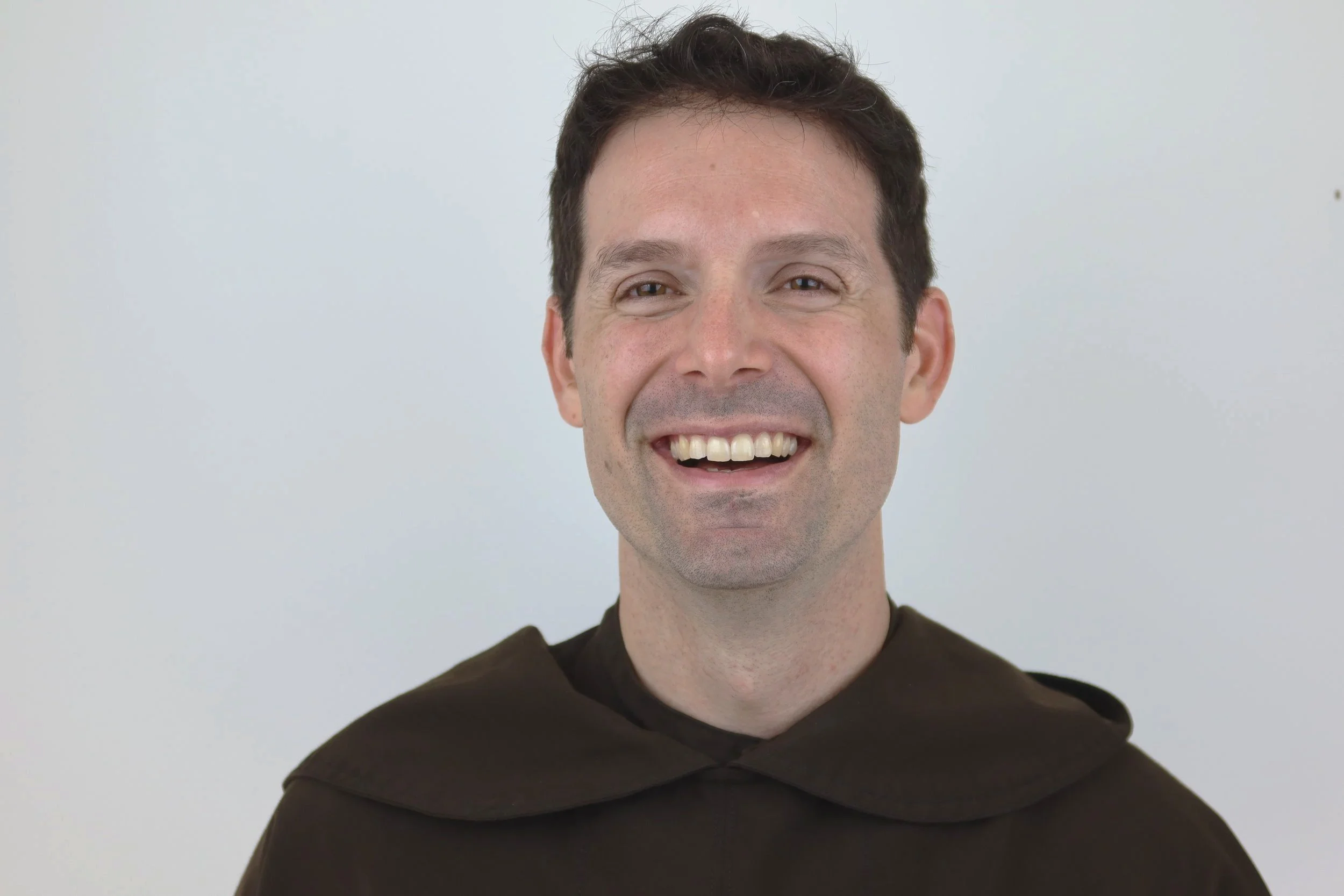
![Fr. Matthew Gummess, O.Carm.]()
Matthew Gummess, O.Carm.
PRESIDER & VOCALIST
-
![Fr. Gregory Houck, O.Carm.]()
Gregory Houck, O.Carm.
LECTOR
-
![Fr. Michael Joyce, O.Carm.]()
Michael Joyce, O.Carm.
PRESIDER
-
![Fr. David McEvoy, O.Carm.]()
David McEvoy, O.Carm.
LECTOR
-
![Br. Daryl Moresco, O.Carm.]()
Daryl Moresco, O.Carm.
PRESIDER
-
![Fr. Tom Murphy, O.Carm.]()
Thomas Murphy, O.Carm.
LECTOR
-
![Br. Filiberto Oregel, O.Carm.]()
Filiberto Oregel, O.Carm.
ARTIST & SPIRITUAL ICON WRITER
-
![Fr. Ryan-Joseph Ressurrecion, O.Carm.]()
Ryan Joseph Resurreccion, O.Carm.
PRESIDER & VOCALIST
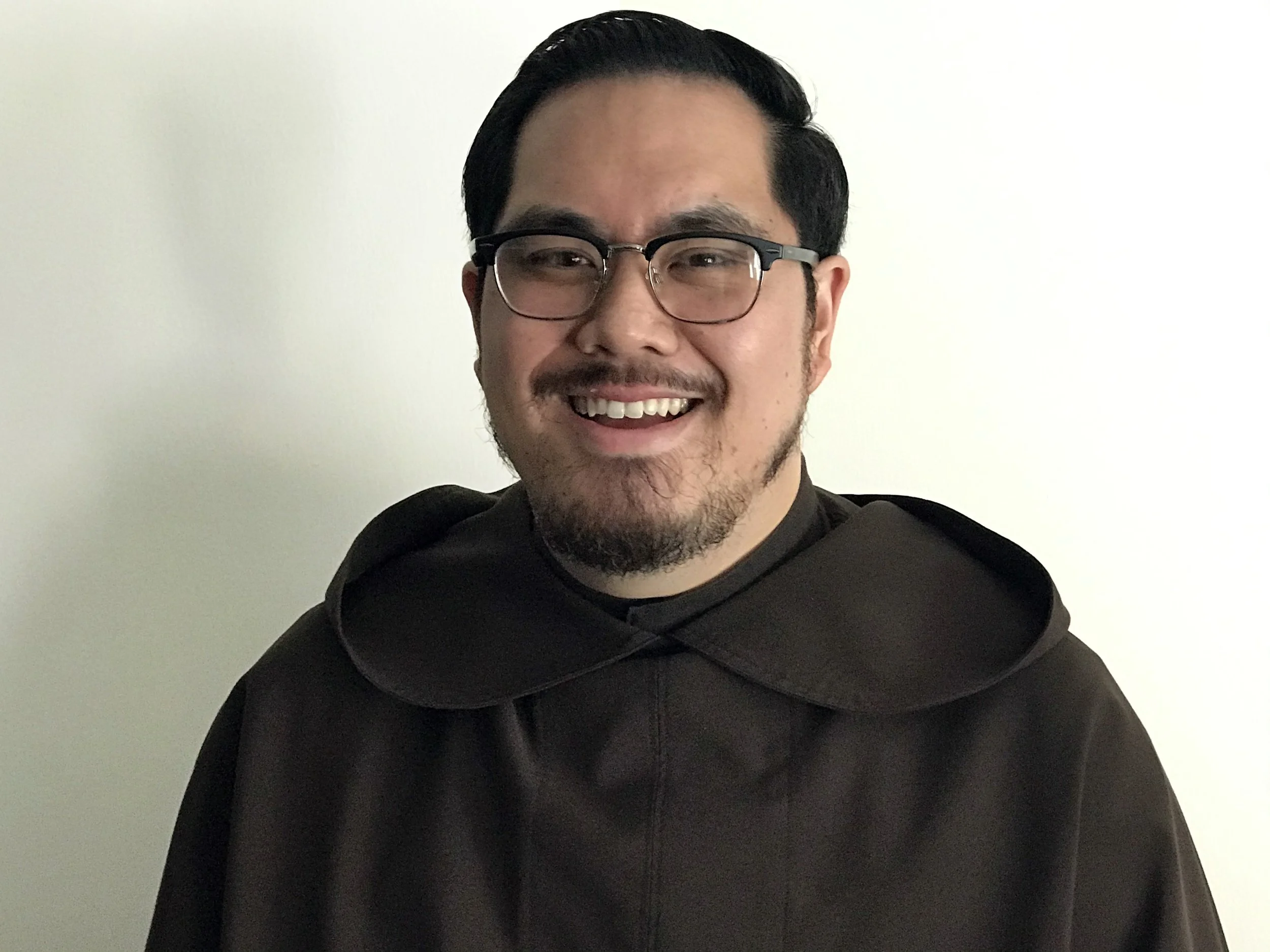
The Producers
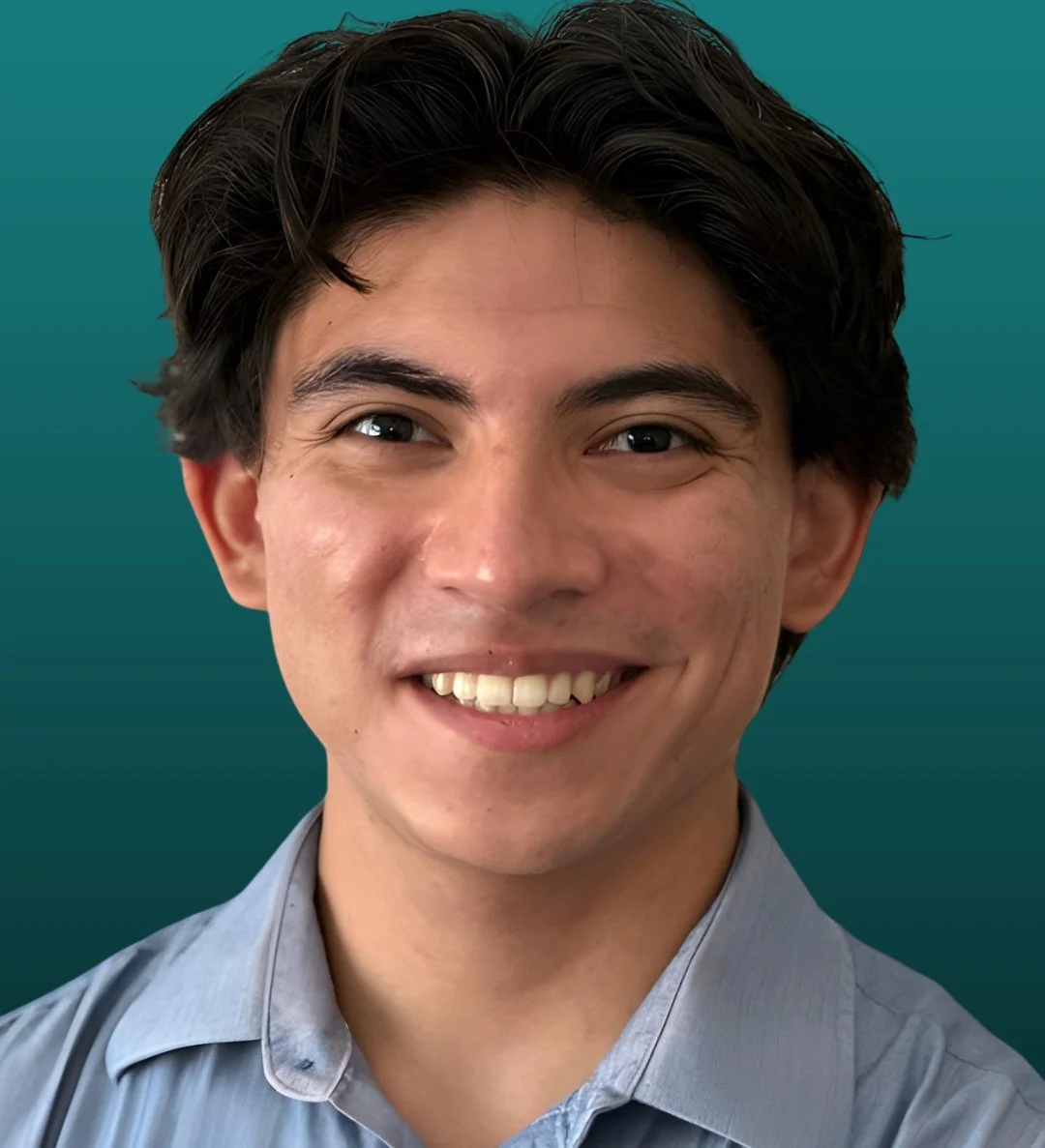
Michael Aguilar, Jr.
VIDEO
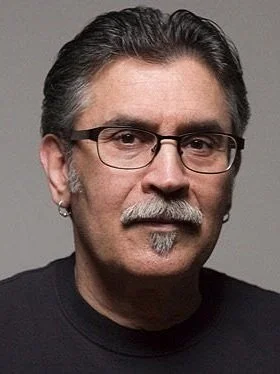
Julian Pardo
AUDIO
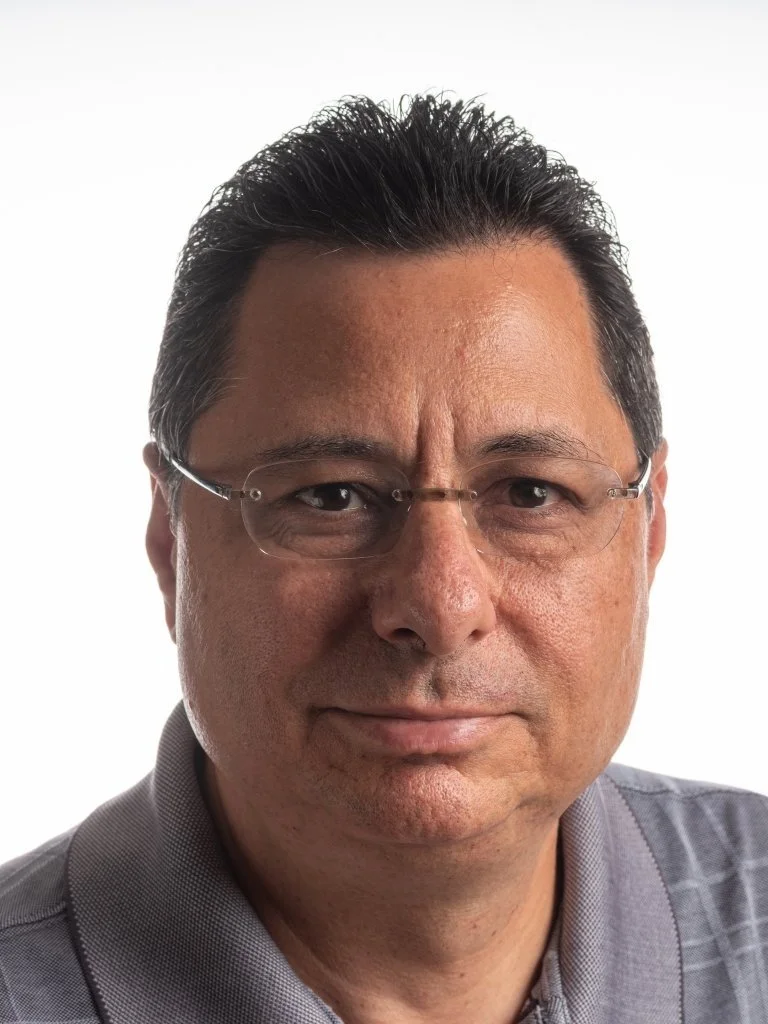
Kenneth J. Pino
VIDEO
The Musicians
-
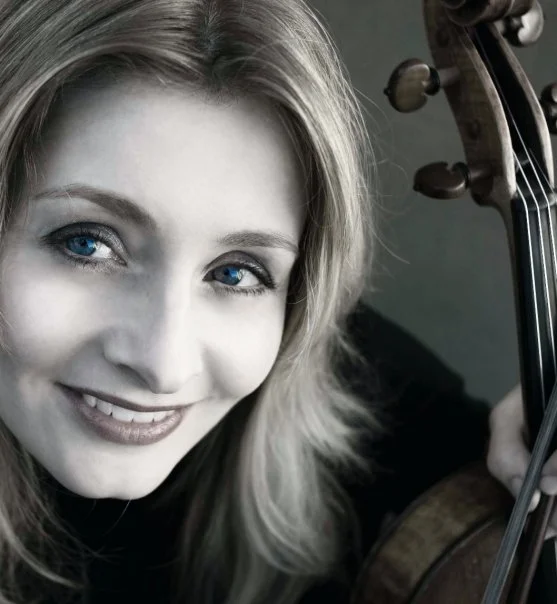
Brianna Bandy
VIOLA
-
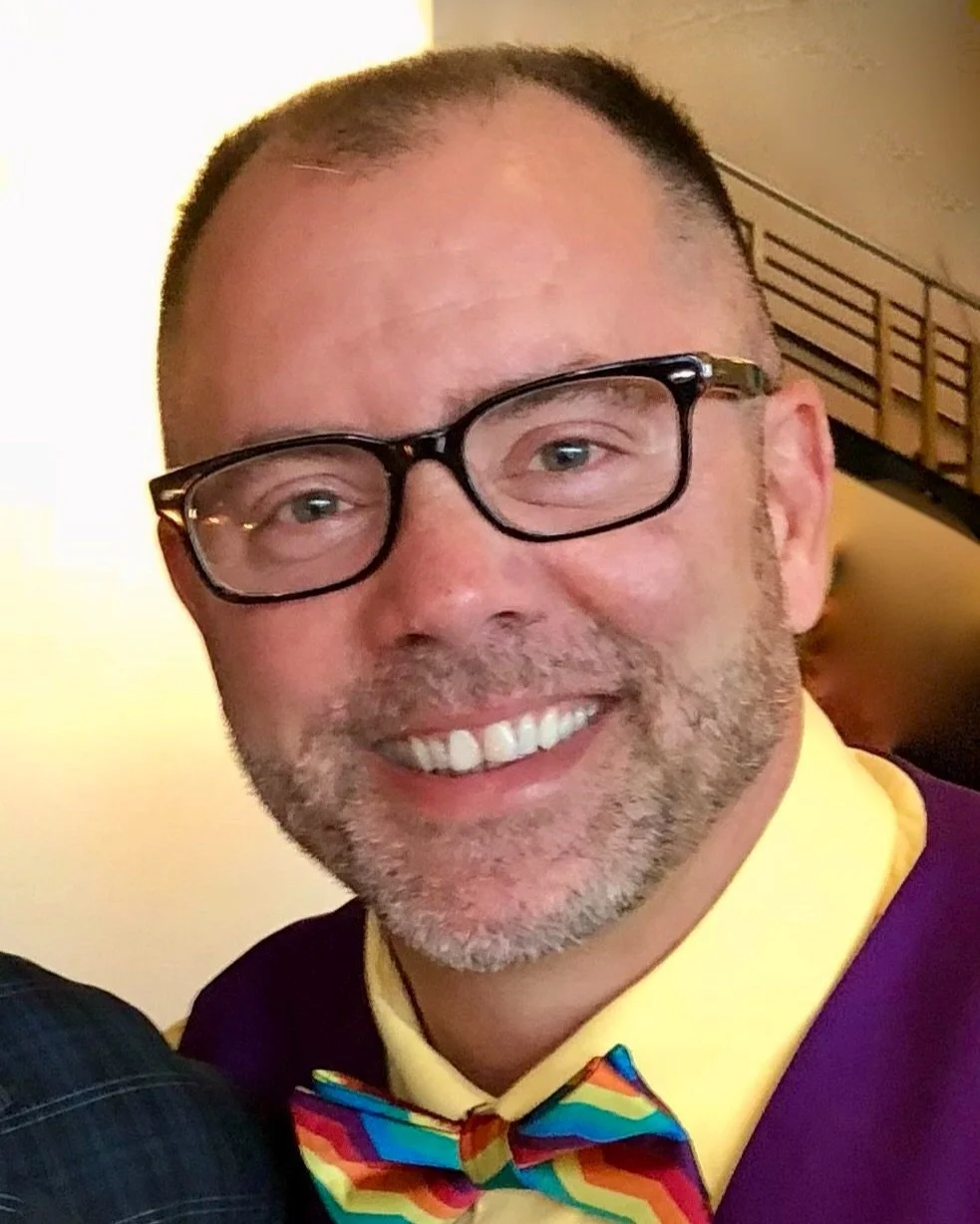
Steven Begert-Clark
VOCALIST
-
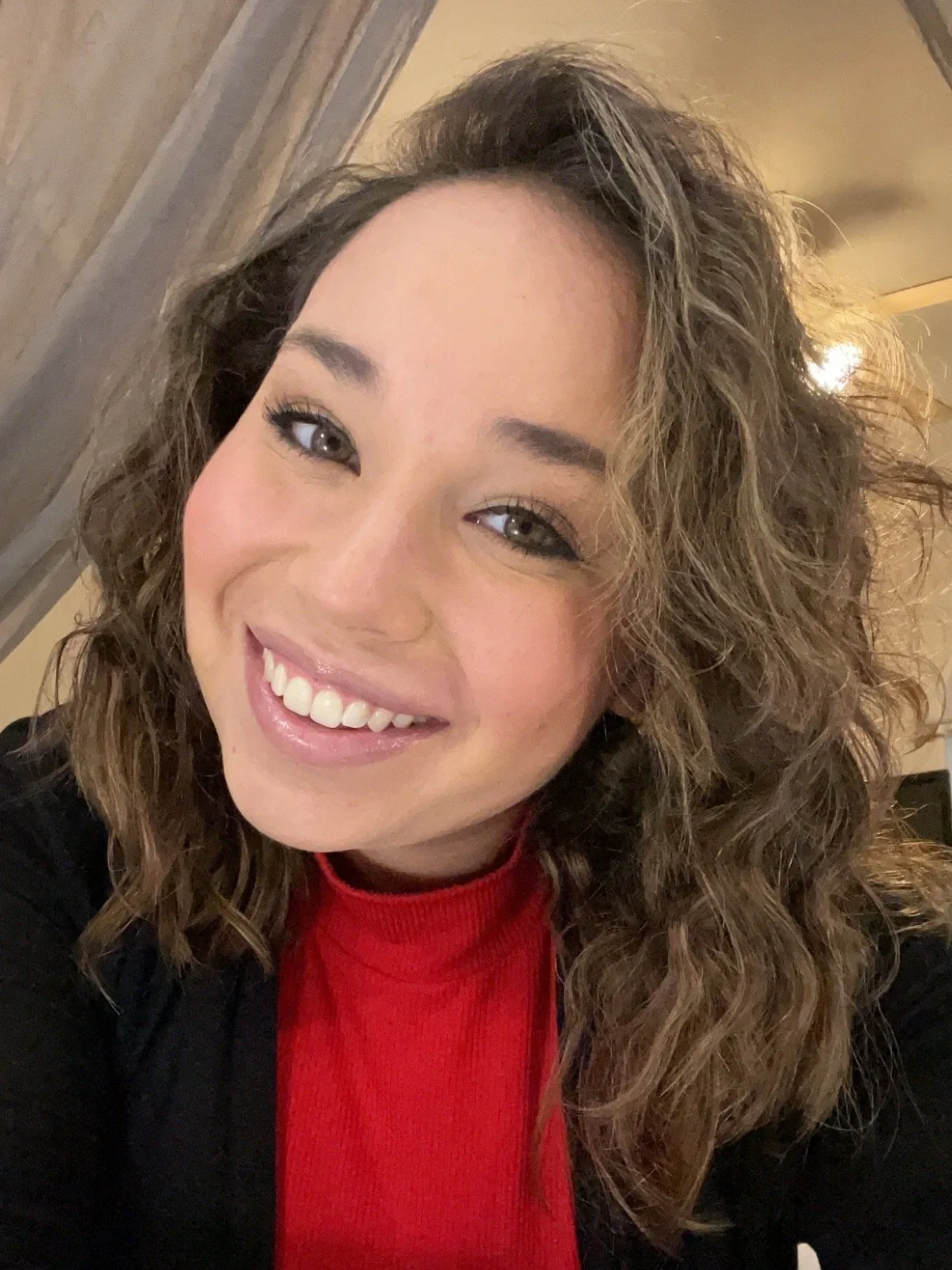
Alondra Garza
VOCALIST
-
Julian Pardo
KEYBOARD, PERCUSSION, GUITAR & BELLS
-
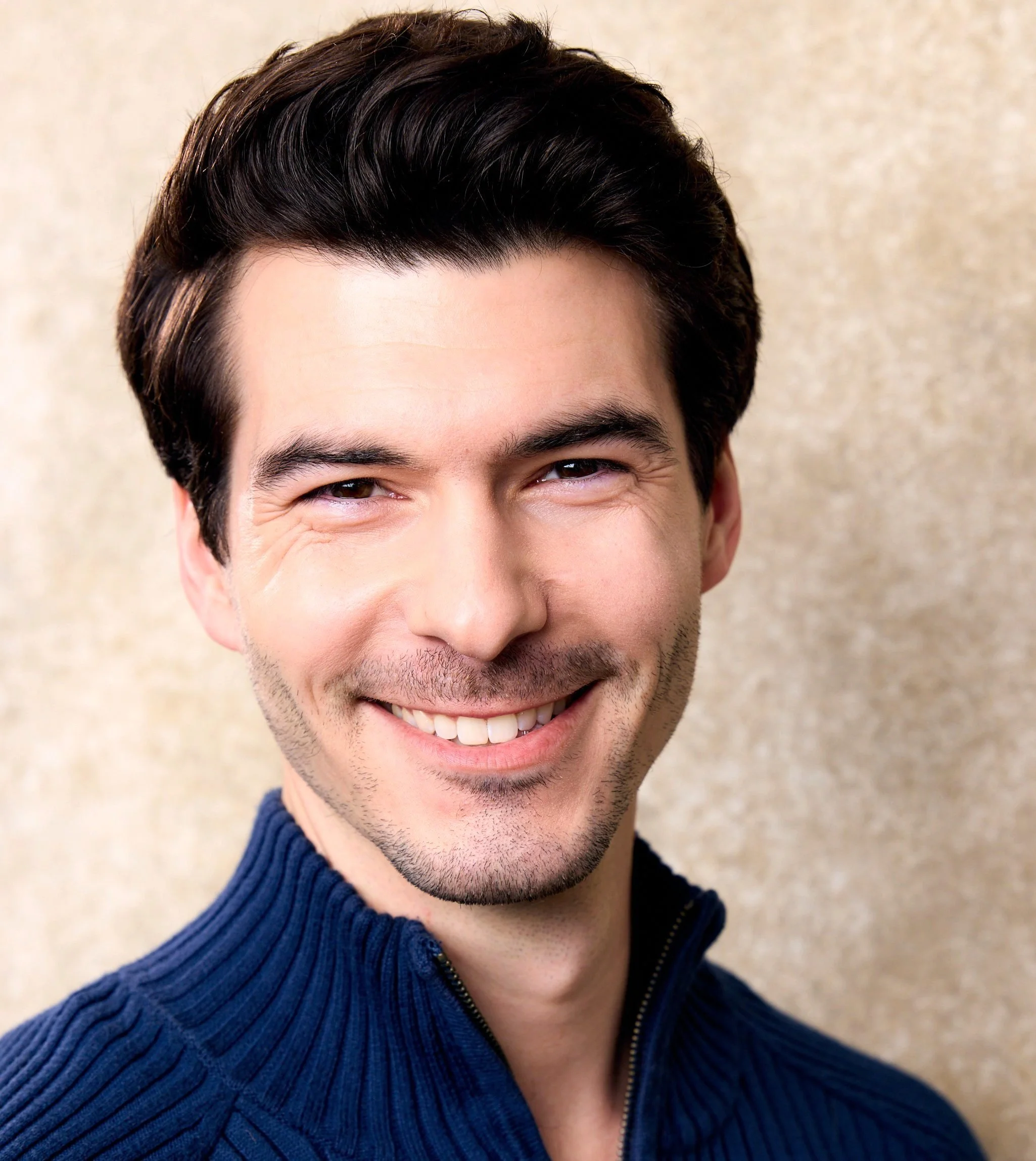
Nick Ritacco
VOCALIST
-
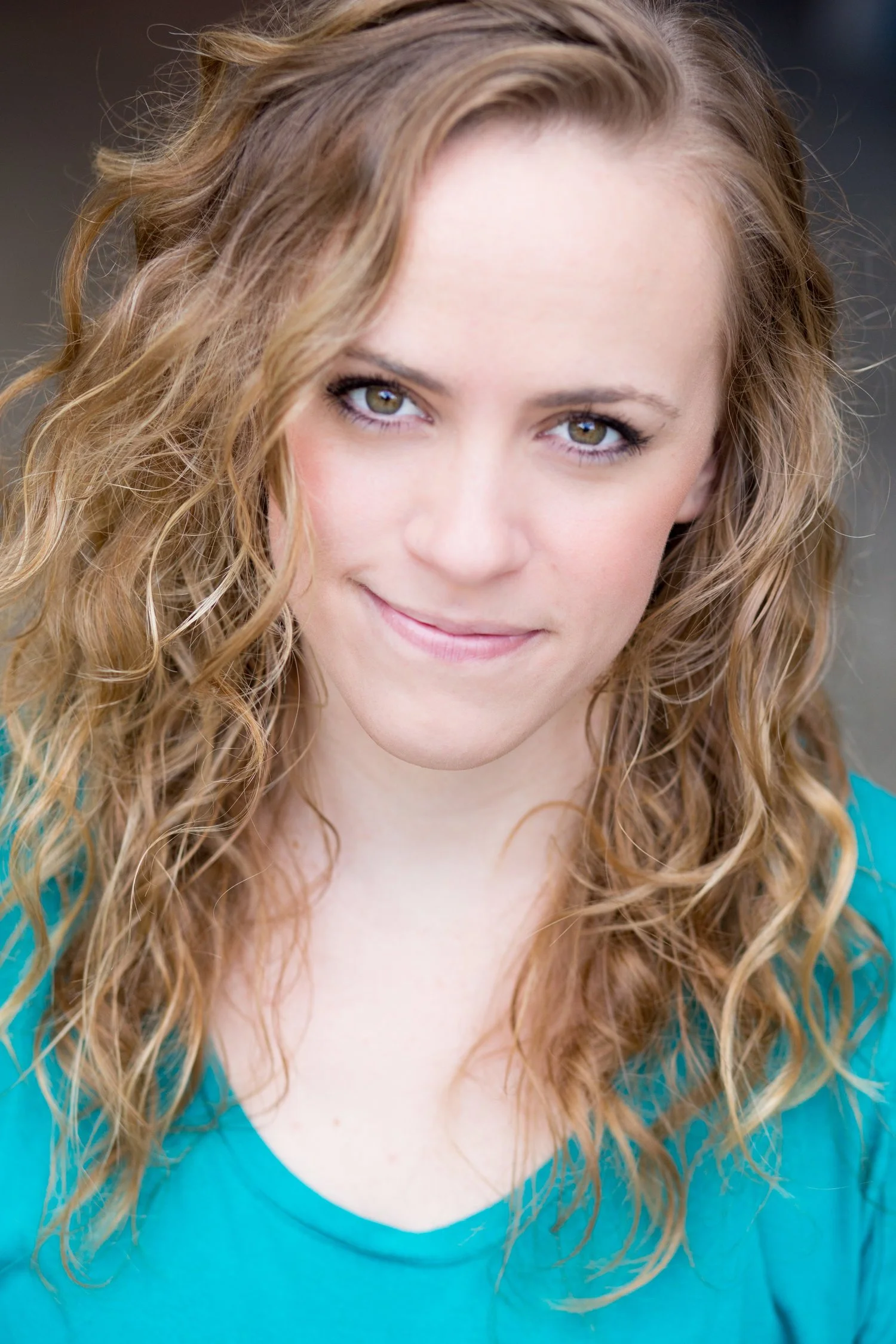
Mazie Rudolph
VOCALIST